
OT / IIT / IIoT Network Architecture & Digitalization
Your plant floor already generates the data you need. The challenge is building a network that can deliver it securely to where it creates value, without disrupting production.
Digitalization Projects Start in the Machine Network
Most manufacturers pursuing digitalization (energy management, condition monitoring, predictive maintenance, automated inventory) run into the same wall: the data they need already exists on the plant floor, but the OT networks holding it are isolated by design. Controllers, PLCs, and field devices operate in self-contained networks that block external access, not out of negligence, but because security and reliability have traditionally meant isolation.
The result is that data acquisition becomes a separate project with its own hardware, cabling, and ongoing maintenance costs. Research suggests over 50% of digitalization initiatives fail or get significantly scaled back because data acquisition alone exceeds the planned budget.
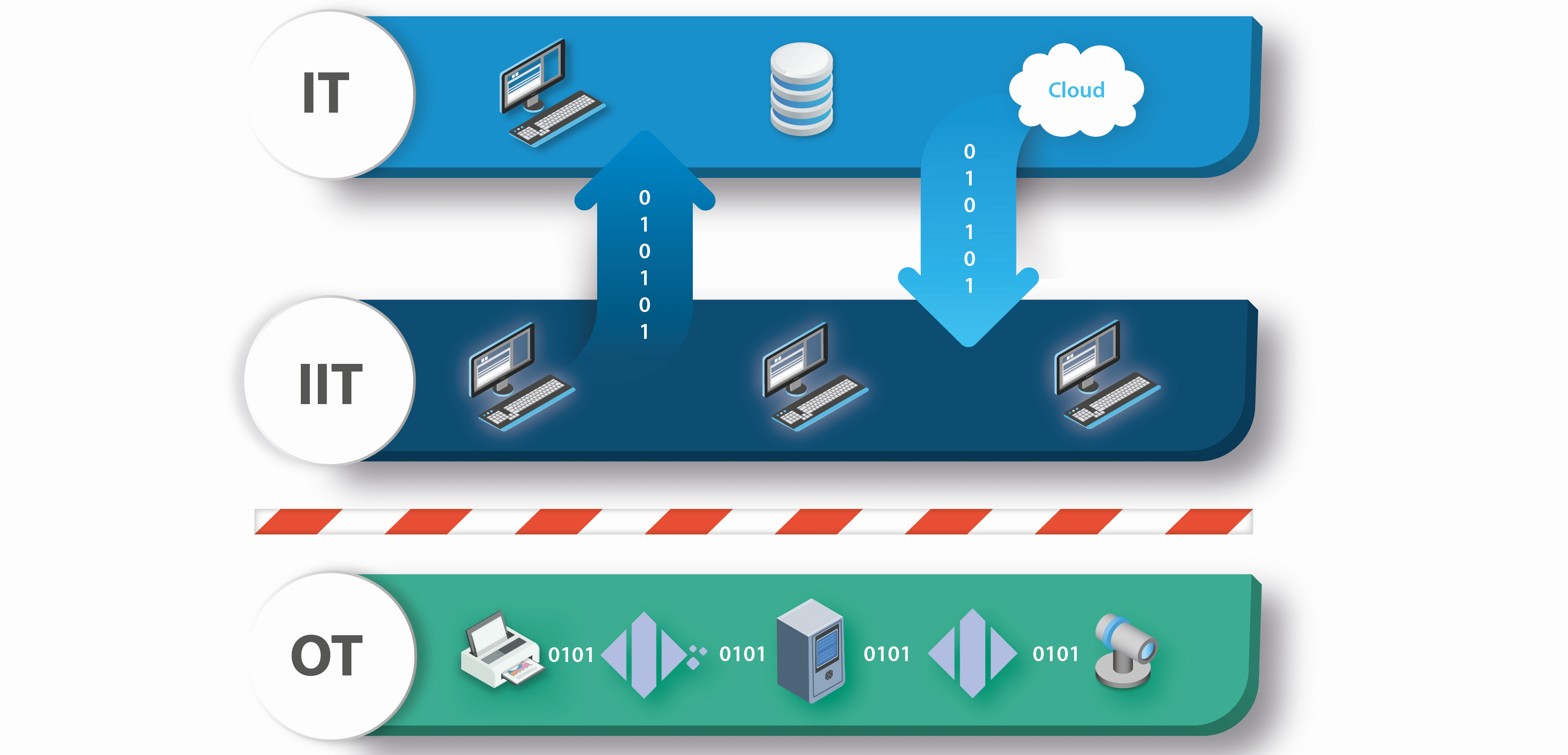
The fix is not another layer of hardware. The fix is a well-designed, properly segmented OT network that can securely exchange data across all layers, from the machine level up through IIT and into IT and cloud systems, without compromising real-time process communication.
Three Pressures Making Industrial Networks Harder to Manage
Even without digitalization ambitions, modern industrial networks are under increasing strain. These three factors compound the challenge of opening OT networks without creating new reliability or security risks.
1. Data volume in plant networks is growing continuously
Machines and systems are becoming more complex, with more sensors and data sources than ever. Even as total data volume increases, prioritized real-time process data still has to move without interruption or loss. Networks not designed for this balance become bottlenecks.
2. Cross-plant data exchange is increasingly required
When multiple systems operate in parallel and need to share process data, every connection point becomes a potential reliability and security risk. These links must meet strict performance requirements while maintaining isolation where it matters.
3. Network communication has expanded beyond process protocols
Modern industrial networks carry much more than PROFINET or PROFIBUS traffic. Network cameras, HMI panels, energy meters, and IIoT gateways all share the same infrastructure. An unplanned network can reach its limits quickly when real-time process data competes with everything else.
Digitalization Goals We Help You Reach
A well-architected OT network is the foundation for every digitalization initiative. Here are the four areas where our clients see the most direct impact once their network infrastructure is properly planned and connected.
Efficient Energy Management
- Avoidance of load peaks through real-time consumption visibility
- Early identification of nominal current deviations
- Consumption forecasting to support purchasing optimization
Permanent Condition Monitoring
- Reduction of throughput times through continuous asset visibility
- Early detection of degradation before it causes downtime
- Securing long-term availability of critical equipment
Preventive Maintenance
- Avoiding unplanned breakdowns through trend-based alerts
- Guaranteed network stability through proactive intervention
- Acting on early warning data before failures occur
Automated Inventory
- Complete overview of all network assets and their status
- Identification of security-vulnerable devices across the network
Opening OT Networks Without Compromising Reliability
Getting data out of isolated OT networks requires more than adding a gateway. It requires a structured approach to network architecture that balances connectivity, performance, and security across all layers. Here is how we work with you to get there.
Network Planning for Function and Digitalization
We design OT network architectures that account for both real-time process requirements and the additional data flows that digitalization initiatives introduce, so the two don't compete.
Operator and Installer Alignment
Digitalization projects fail when operators and installers are not aligned on network requirements. We facilitate that conversation and document agreed responsibilities before implementation begins.
Identifying Existing Data Sources
Before adding new hardware, we map what data already exists in your machines and networks. Leveraging existing resources reduces cost and complexity significantly.
Bridging IIT and OT Without Barriers
We establish the segmentation, access rules, and monitoring needed to connect OT and IIT layers securely, enabling data to flow upward without exposing plant systems to uncontrolled access.
Access Rules and Security Controls
We help define who can access what, through which channels, and under what conditions. Clear access governance is what allows OT networks to be opened without becoming vulnerable.
Ongoing Monitoring After Go-Live
Once the network is connected, permanent monitoring ensures it performs as designed. We help establish monitoring coverage so your team catches problems before they affect production or data availability.
Industrial Networks in Transition
This short video from Indu-Sol explains how industrial networks are evolving from isolated, protocol-specific systems into converged OT/IT environments, and what that means for manufacturers planning digitalization initiatives.
PROnetplan V2 | PROFINET Network Planning Software
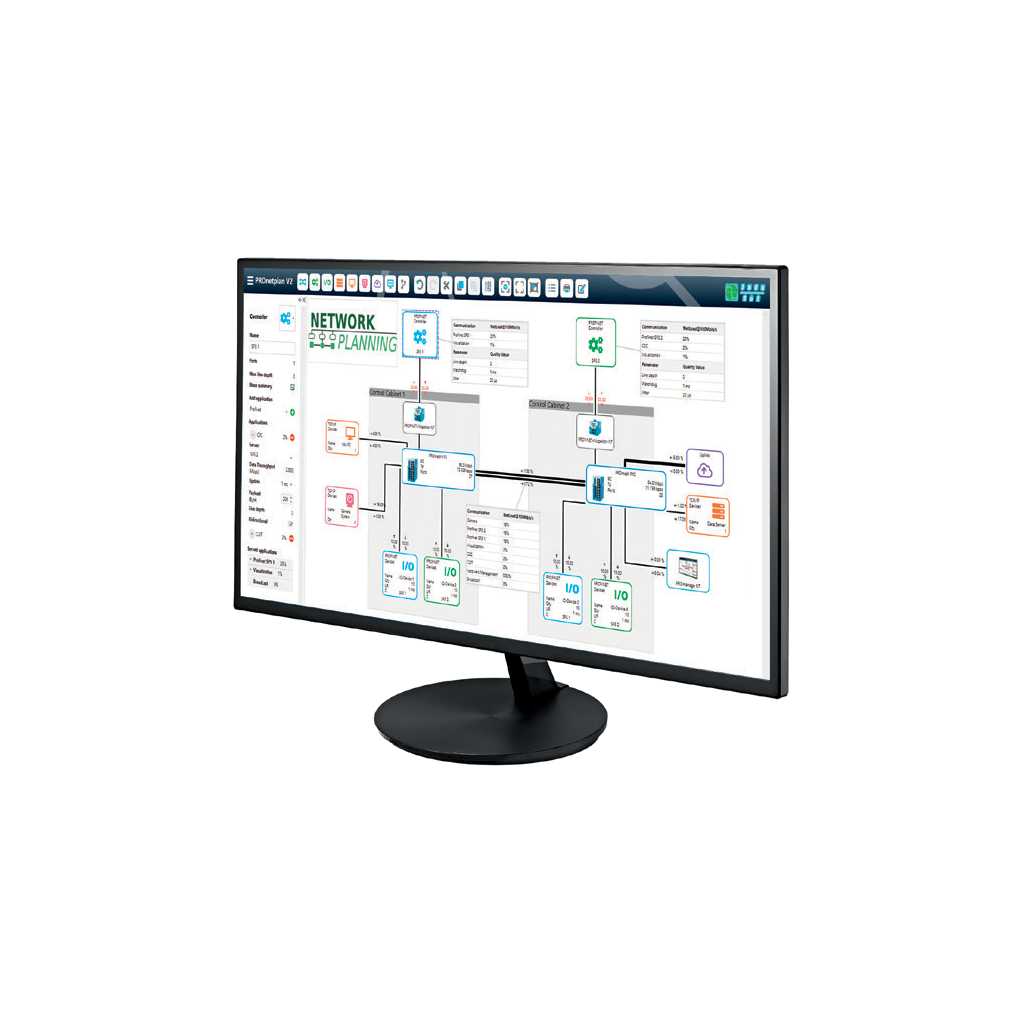
Good OT network architecture starts with good planning. PROnetplan V2 lets you design, validate, and document industrial network topologies before installation begins.
PROnetplan V2 PROFINET Network Planning Software
- Convenient network planning via drag-and-drop topology editor
- Intuitive network load pre-planning and capacity validation
- Planning of copper, fibre-optic, and WLAN-based connections
- Creation of communication relationships between components
Ready to Connect Your OT Network?
Talk with our engineering team about network architecture, segmentation, and OT/IT integration for your facility.